The Always-On Holiday Shopper: What It Means for Your Brand
As we navigate the 2025 holiday season, it's clear that 'early' is no longer an outlier strategy. Discover how you can leverage this time without annoying customers.
Walk into any major retailer in September and you’ll find yourself surrounded by Christmas decorations, Halloween costumes, and Thanksgiving displays.
If you’re like many consumers, this probably annoys you. Yet these decorations keep appearing earlier each year, which raises the question: if everyone claims to dislike early holiday merchandising, why does it keep happening?
The answer provides valuable insights into current consumer behavior and perceptions that every brand needs to understand.

The 2025 Acceleration of Holiday Shopping
Recent data from eMarketer and Bankrate show the early-shopping phenomenon is stronger than ever. Nearly 21% of U.S. shoppers began their holiday shopping by May 2025, up from 16% in 2024, and 49% plan to start before Halloween.
This trend is reinforced by Amazon’s October Prime event, which generated over $9 billion in sales and inspired competing early-sales campaigns across retailers like Target and Walmart.
The Psychology Behind Early Holiday Shopping
Retailers don’t make decisions lightly about valuable floor space. When Home Depot fills its end caps with holiday decorations in August, it’s because data shows people will buy them. This creates a contradiction between what consumers say they want and how they actually behave.
The fear of missing out drives much of this behavior. When shoppers see limited holiday inventory in September, they worry it won’t be available later.
This artificial scarcity, whether intentional or not, triggers purchases months before the actual holiday. Retailers have discovered that extending the shopping season doesn’t just spread out sales; it actually increases total spending.

Mobile Shopping Changes Everything
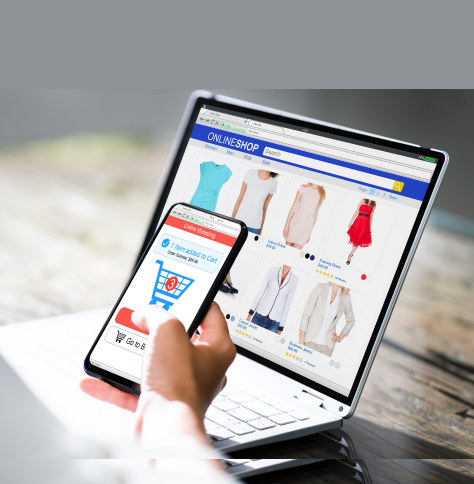
The shift to mobile commerce has fundamentally altered holiday shopping patterns. Today’s consumers often move from product discovery to purchase entirely on their phones.
Social media platforms like Instagram and TikTok have become product discovery channels, while services like Shop Pay have made checkout so easy that you can complete your purchase without even leaving the app.
This shift in buying behavior creates both opportunities and challenges. Brands can reach customers at any moment, turning casual browsing into immediate sales. However, this same convenience has shortened attention spans and reduced purchase consideration. When buying becomes too easy, return rates climb, and brand loyalty may suffer.
The younger generations driving this mobile shift don’t just prefer shopping on phones; they expect it. Brands that haven’t optimized their mobile experience risk losing revenue during the critical holiday season.
AI and Holiday Shopping
Artificial intelligence is beginning to reshape gift giving. Shoppers are turning to ChatGPT and similar platforms for gift recommendations, feeding these systems detailed information about recipients to generate personalized suggestions.
This new trend means brands need to think about how their products appear not just in search results, but in AI generated recommendations as well.
The dynamics of using AI for shopping go beyond individual gift suggestions. AI tools prioritize products based on online presence, reviews, and social media discussions.
Strong digital marketing doesn’t just drive direct sales anymore; it influences whether AI platforms recommend your products to holiday gift shoppers.
Finding Balance in the Holiday Rush
While early holiday merchandising and instant mobile purchases drive sales, they also raise sustainability concerns. The combination of impulse buying and easy returns creates waste that research shows troubles both environmentally conscious consumers and forward thinking brands.
Smart brands are recognizing this tension and looking for ways to stand out. Instead of joining the race to display holiday merchandise earlier, some companies are exploring alternative approaches. They focus on creating genuine value rather than artificial urgency, building customer relationships that last beyond the holiday push to purchase.

What This Means for Your Brand
Success for brands requires understanding these forces without being controlled by them. Brands must balance the pressure to start early with the risk of customer fatigue, embrace mobile commerce while encouraging thoughtful purchasing, and prepare for AI’s growing influence on shopping decisions.
The key isn’t to resist these changes but to navigate them with intent, always keeping your brand values and customer relationships at the center of your strategy.
Looking Ahead: The Future of Holiday Commerce
As we navigate the 2025 holiday season, it’s clear that ‘early’ is no longer an outlier strategy. It’s the new normal.
The convergence of AI-powered shopping, always-on commerce, and social media storefronts has fundamentally transformed how consumers approach holiday shopping.
For brands, this means rethinking not just when to start holiday campaigns, but how to sustain engagement across an extended holiday season without exhausting their potential customers.
The most successful brands will be those that balance financial objectives with genuine value creation:
Use data and technology to enhance rather than exploit the shopping experience
Respect consumer boundaries and preferences while serving up solutions that meet their needs
Find authentic ways to participate in holiday marketing without contributing to the fatigue.
The question isn’t whether holiday shopping starts too early, but how brands can make the extended season meaningful, sustainable, and genuinely beneficial for consumers.
To hear us share more best practices around holiday marketing, you can catch one of our latest podcast episodes here.
For a fresh look at your holiday strategy, please get in touch.


Together, we can
unlock opportunity.
Embrace customized thinking tailored
to achieve your tangible business results.